





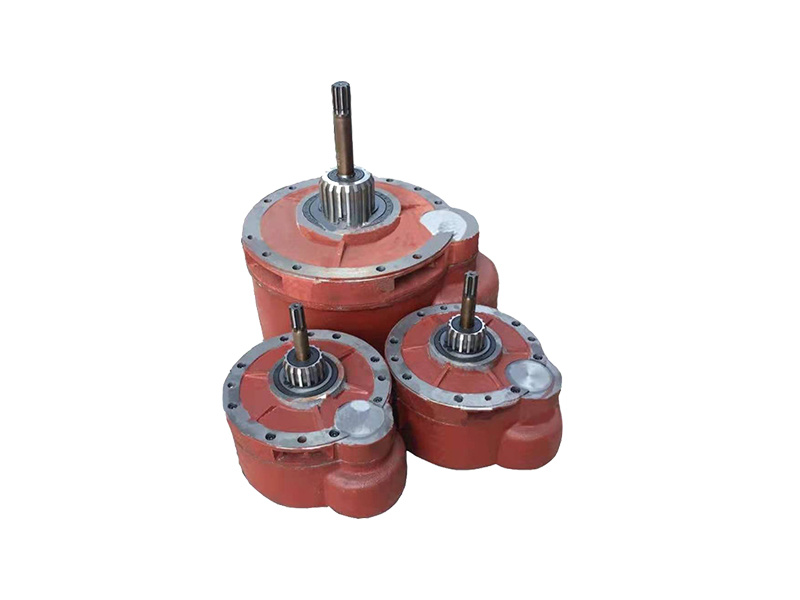
Speed reducer
Key words:
Classification:
The product is constantly improved and the configuration parameters are constantly updated. We reserve the right to change the design and parameters without informing the user; the configuration and appearance of the product are subject to the actual product.
Product Description
Gear reducers typically consist of a gear transmission system. Through the meshing of gears of different sizes, they achieve a reduction in speed and an amplification of torque. The high-speed rotational motion output by the motor is transmitted to the gear system via the input shaft of the reducer. After undergoing speed reduction through multiple stages of gears, the output shaft outputs motion with a lower speed but higher torque, meeting the power requirements of the various mechanisms of the crane.
Structural Composition
- Gear Transmission Mechanism : This is the core part of the reducer, composed of multiple gears with different modules and numbers of teeth. Through reasonable combination and arrangement, different reduction ratios are achieved. Common gear types include cylindrical gears and bevel gears.
- Shafts and Bearings : Shafts are used to support gears and transmit power, while bearings are installed between the shafts and the housing to reduce friction, support the shafts, and ensure smooth shaft rotation.
- Housing : As the outer casing of the reducer, it is usually made of cast iron or cast steel. It houses and protects internal components such as gears and shafts, provides support and fixation, and ensures good sealing to prevent lubricant leakage.
- Lubrication and Sealing Devices : The lubrication system provides lubricating oil to moving parts such as gears and bearings to reduce friction and wear, lower heat generation, and extend service life. Sealing devices prevent lubricant leakage and prevent external dust, moisture, and other impurities from entering the reducer.
- Function
- Matching Speed and Torque : Crane motors typically have high speeds but relatively low output torque. However, the lifting and running mechanisms of a crane require lower speeds and higher torque to achieve smooth lifting and movement of heavy objects. The reducer reduces the high speed of the motor to a speed suitable for the operation of various crane mechanisms, while simultaneously amplifying the torque to meet the work requirements.
- Improving Transmission Efficiency : Through optimized gear transmission design, the reducer reduces energy loss during power transmission, improving the efficiency of the entire transmission system. Compared to other transmission methods such as belt drives or chain drives, gear reducers have obvious advantages in applications such as cranes that require high precision and high reliability transmission.
- Overload Protection : To a certain extent, the reducer can provide overload protection for the crane motor and other components. When the crane encounters unexpected overload conditions, the gears inside the reducer may slip or exhibit other forms of overload protection mechanisms, preventing the motor from burning out due to overload or other components from being damaged due to excessive stress.
Keyword:
Previous: Buffer
Next: LD end beam
Product Advisory Message
Related Product recommend

Related success stories

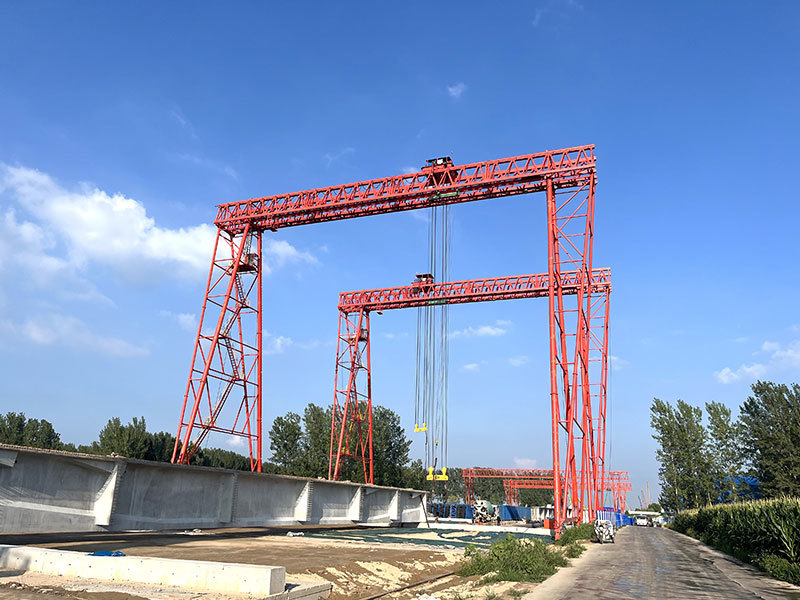
安徽某路段施工项目现场

Service Hotline
Address: Crane Industrial Park, Changyuan County, Henan Province
