





Product Center
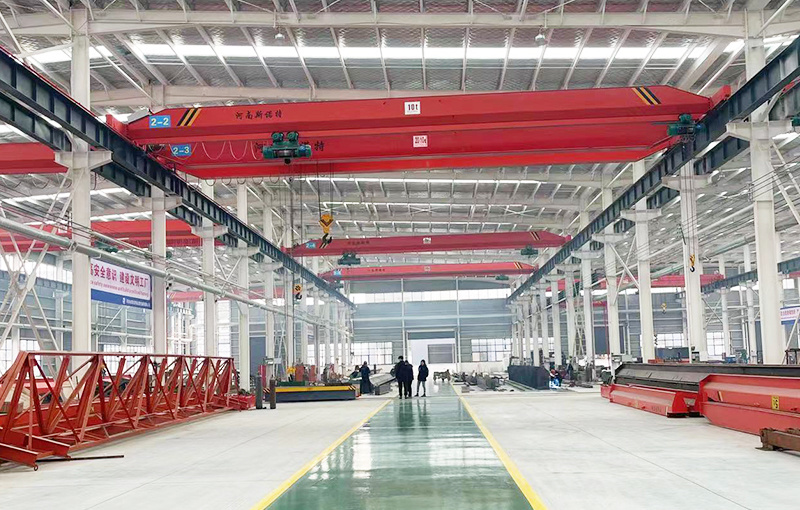
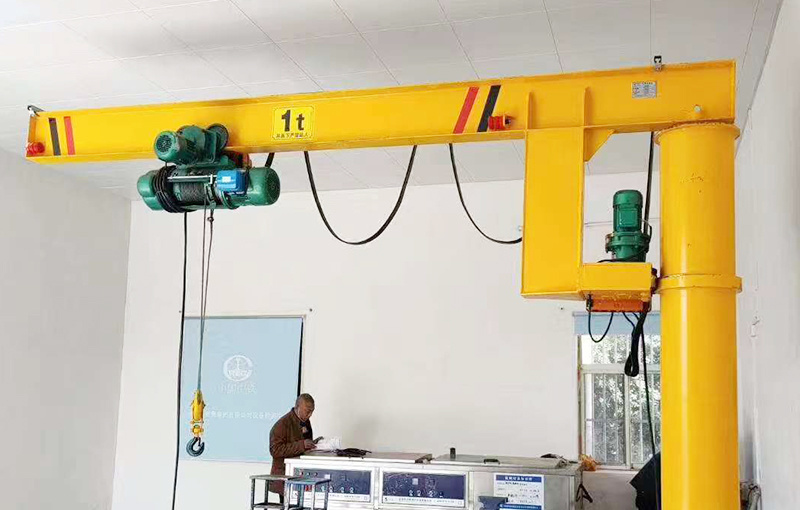
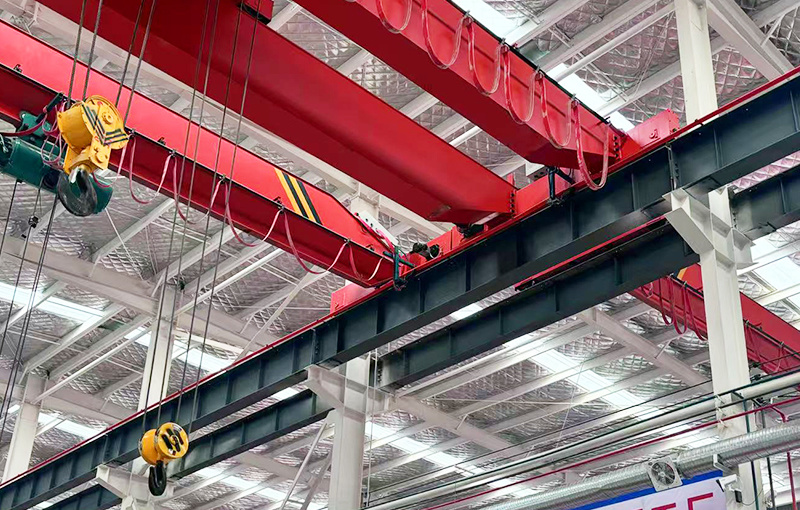
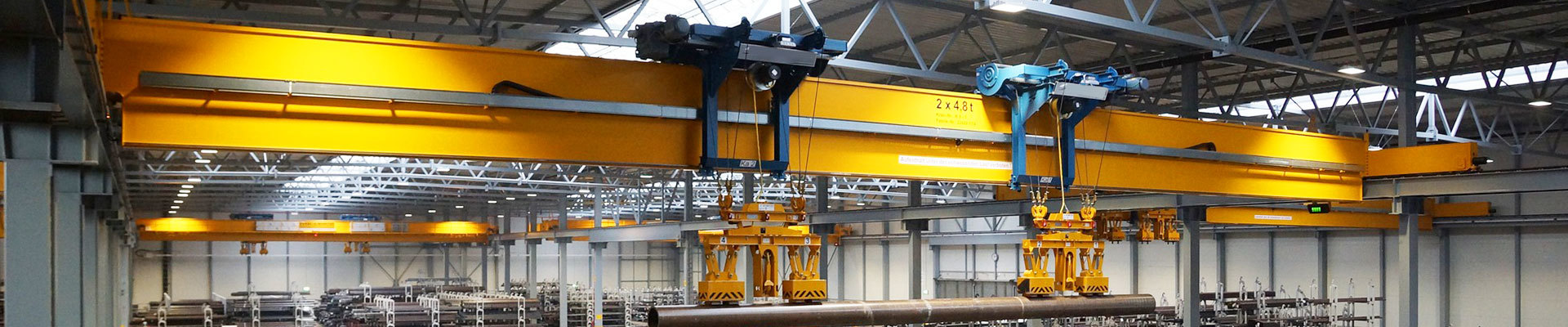
The company mainly manufactures and sells electric hoists, single and double-beam bridges, gantry cranes, and explosion-proof series cranes.

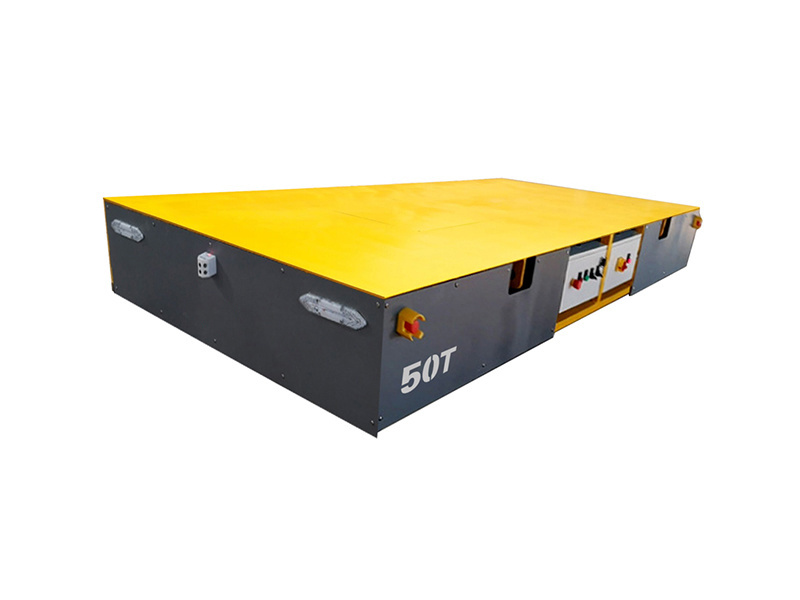
Electric flatcars, also known as electric flatbed trucks, electric flatcars, or transfer cars, are a type of rail-guided electric transport vehicle. These flatcars are characterized by their simple structure, ease of use, high load capacity, easy maintenance, and long service life. Due to their convenience, robustness, economy, practicality, and ease of cleaning, they have become the preferred transport tool for frequent, short-distance, point-to-point transport of heavy goods within and between factory buildings.
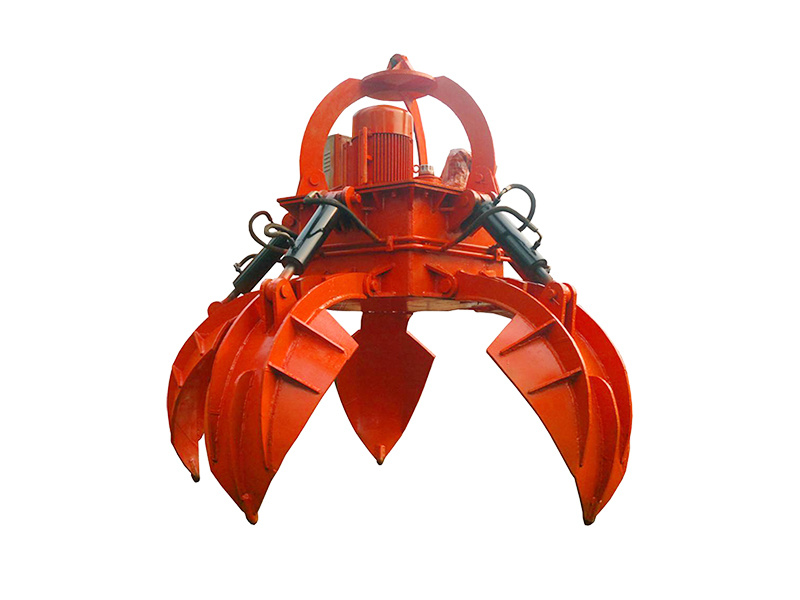
Hydraulic scrap grab is a high-strength, high-efficiency grabbing device, specially designed for scrap recycling, metal processing, port loading and unloading and other heavy industrial scenarios. Driven by a hydraulic system, it can achieve rapid opening and closing and powerful grabbing, adapting to the handling of loose materials such as scrap steel, scrap metal, and ore in harsh working conditions.
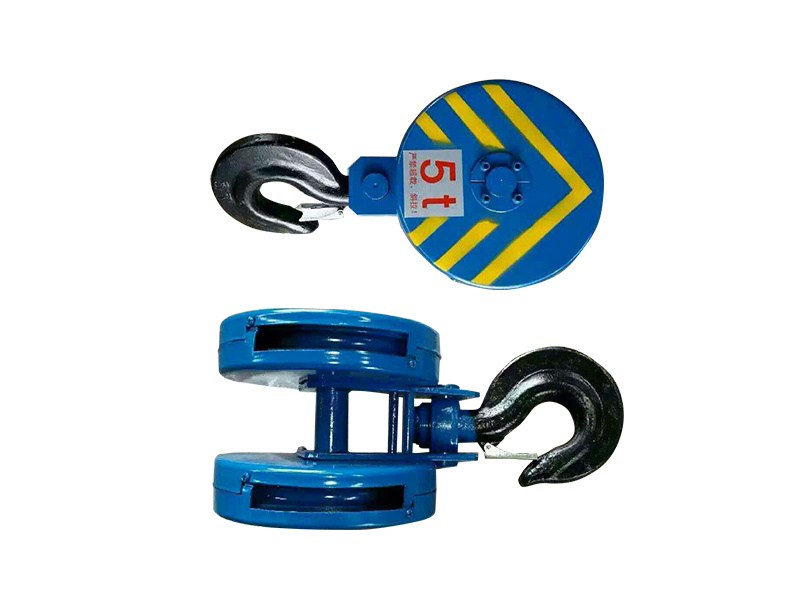
Crane hooks are core components of lifting machinery, used for the safe lifting of various heavy objects. They are widely used in ports, construction, manufacturing, logistics, and other industries. Depending on their structure and load capacity, hooks can be divided into various types such as single hooks, double hooks, and rotating hooks, and are compatible with different lifting equipment (such as bridge cranes, tower cranes, gantry cranes, etc.).
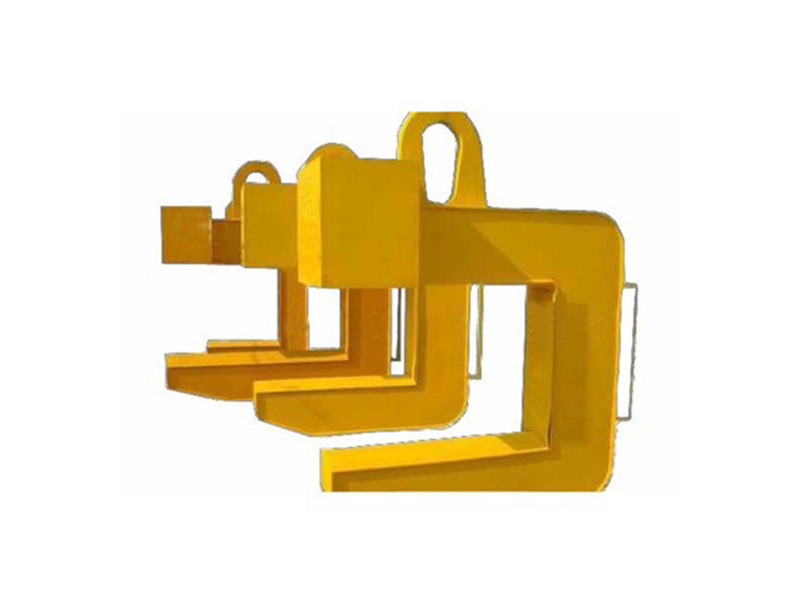
The crane C-hook is an important lifting tool widely used in various fields. The following is a detailed introduction to the application areas and advantages of crane C-hooks.
I. Application Areas
1. Construction Engineering: In construction engineering, crane C-hooks are used to lift steel bars, steel pipes, formwork, and other building materials, improving construction efficiency.
2. Industrial Production: In manufacturing, C-hooks can be used to lift heavy equipment and raw materials, such as machinery and steel.
3. Transportation: In the construction of railways, highways, and bridges, crane C-hooks are used to lift bridge components and track materials.
4. Mining: In mines, C-hooks are used to lift minerals and equipment, improving mining efficiency.
II. Advantages
1. High Strength and Durability: Crane C-hooks are made of high-strength materials, such as high-strength steel, and have excellent tensile and compressive properties, capable of withstanding heavy loads.
2. Safe and Reliable: The C-hook design is reasonable and the structure is stable, ensuring that it will not break or deform due to accidents during lifting, ensuring operational safety.
3. Flexible and Versatile: C-hooks come in a variety of specifications and models, which can be selected according to actual needs to meet different lifting requirements.
4. Efficient and Convenient: Crane C-hooks are easy to operate and can quickly complete lifting operations, improving work efficiency.
5. Wide Application: Due to its wide application in multiple fields, it has high versatility and is suitable for various environments and scenarios.
6. Low Maintenance Cost: The C-hook structure is simple and easy to maintain, requiring only regular inspections, reducing maintenance costs.
7. Long Lifespan: Due to the excellent materials and reasonable design, the crane C-hook has a long service life, bringing long-term benefits to the enterprise.
In summary, crane C-hooks demonstrate unique advantages in various fields, such as high strength, durability, safety and reliability, flexibility and versatility, and high efficiency and convenience. Therefore, it is widely used in construction engineering, industrial production, transportation, mining, and rescue operations.
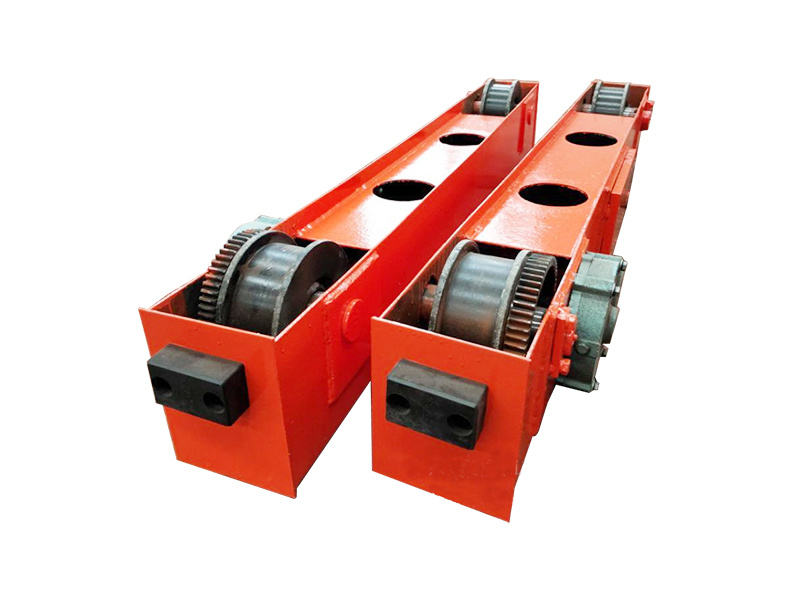
LD end beams (also known as crane end beams or trolley end beams) are key components of bridge and gantry cranes (such as LD type electric single-beam cranes), responsible for supporting and driving the crane's horizontal movement along the track. Their structural strength and smooth running directly affect the crane's operational safety and service life.
They adopt a box-beam welded structure (Q235B/Q345B steel), with shot blasting derusting and anti-corrosion spraying (epoxy zinc-rich paint), offering high resistance to deformation and corrosion.
Variable frequency control is optional, enabling stepless speed regulation and reducing starting and stopping impact.
The design incorporates double-flanged wheels to prevent derailment, compatible with GB/T 10183 track standards.
Buffers (polyurethane/hydraulic) and limit switches are optional, enhancing collision protection and safety.
High-strength bolts are used for connection with the main beam, facilitating transportation and on-site installation.
A variety of wheelbases (K value) and gauge customizations are available to suit different factory layouts.
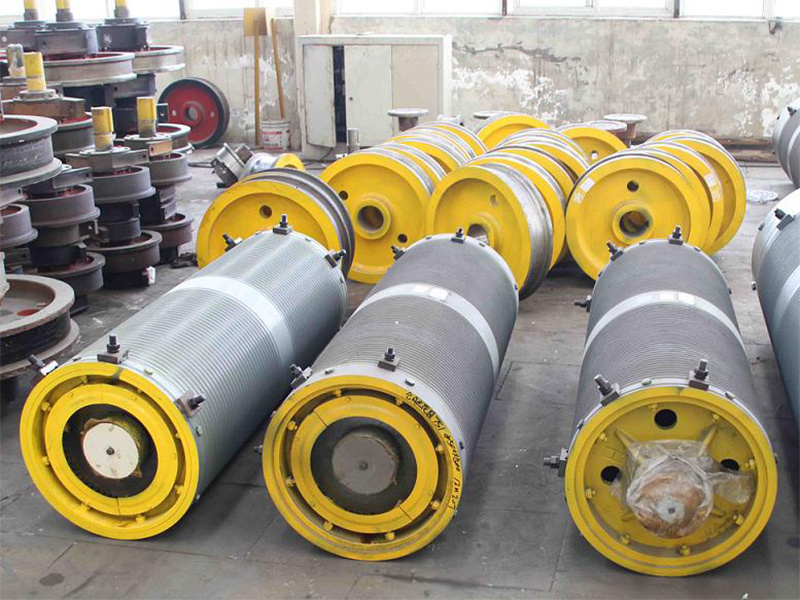
The drum assembly is a core component of the hoisting mechanism of a crane, mainly used for winding wire ropes or chains to achieve the lifting and lowering movement of the hook. Its performance directly affects the safety, stability, and service life of the crane. Drum assemblies are widely used in various crane equipment such as bridge cranes, gantry cranes, and tower cranes.
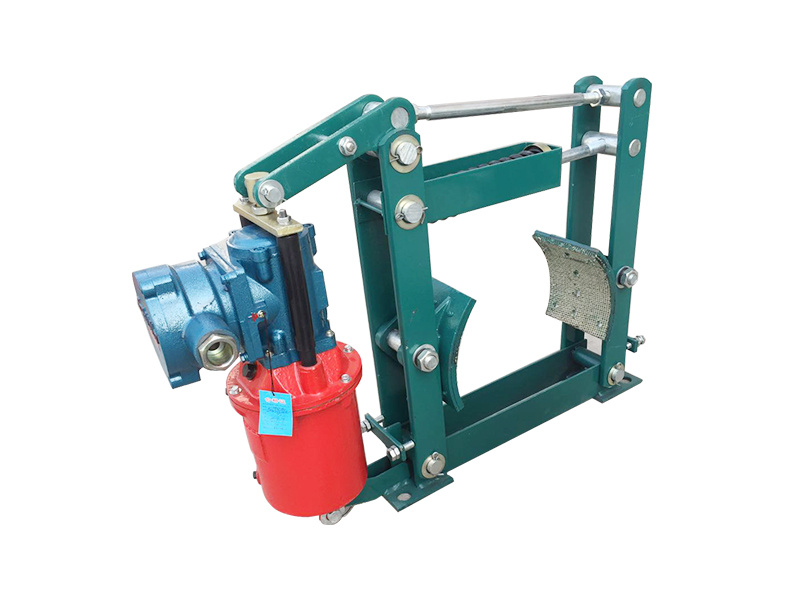
The brake is a core component for the safe operation of a crane, mainly used for deceleration and stopping of lifting, running, and slewing mechanisms, preventing accidental load slippage or uncontrolled movement. Its performance is directly related to equipment safety and operational reliability, and it is widely used in bridge cranes, gantry cranes, tower cranes, port machinery, and other equipment.
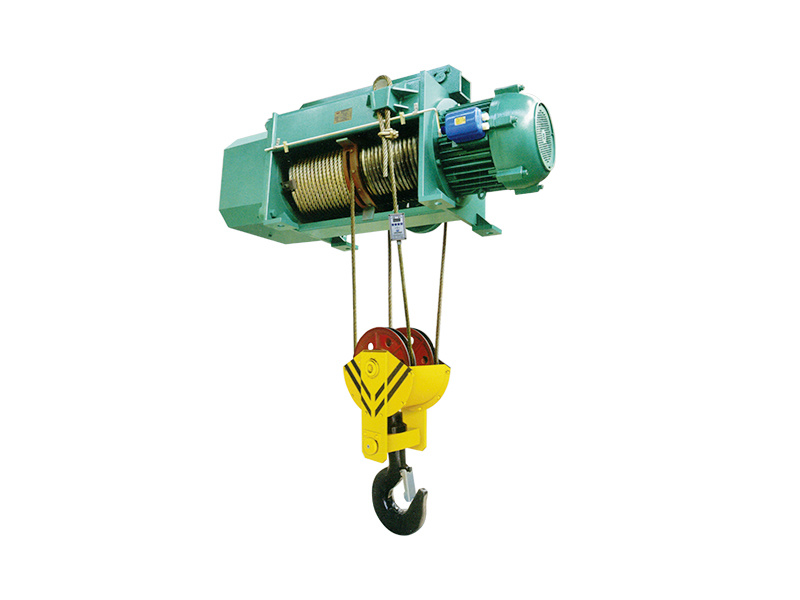
The HC type wire rope electric hoist is a lightweight, high-efficiency lifting device. It is a core lifting mechanism of cranes and is widely used for material handling in workshops, warehouses, ports, and other places. Its features include compact structure, flexible operation, and reliable safety. It can be used independently or installed on single/double-beam cranes.

The LD type crane drive unit is the core power system of the electric single-beam crane, mainly used to achieve the smooth operation of the crane's main trolley and trolley. The device adopts a modular design, featuring compact structure, high transmission efficiency, and easy maintenance, making it an ideal choice for material handling in industrial plants, warehouses, and other places.
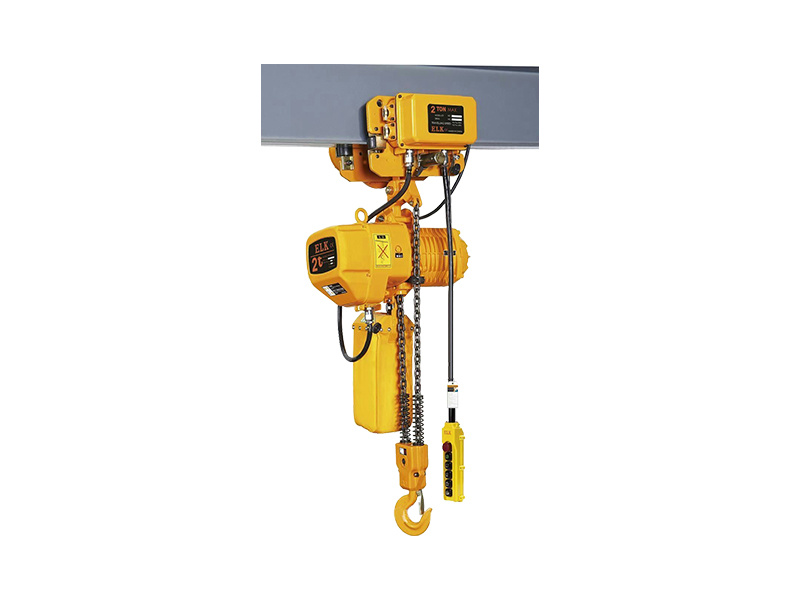
A chain hoist is a lightweight and small-sized lifting device that uses a high-strength alloy chain as its load-bearing mechanism. It features a compact structure, light weight, and flexible operation. It is especially suitable for working conditions with limited space and is an ideal material lifting solution for factories, warehouses, and workshops.
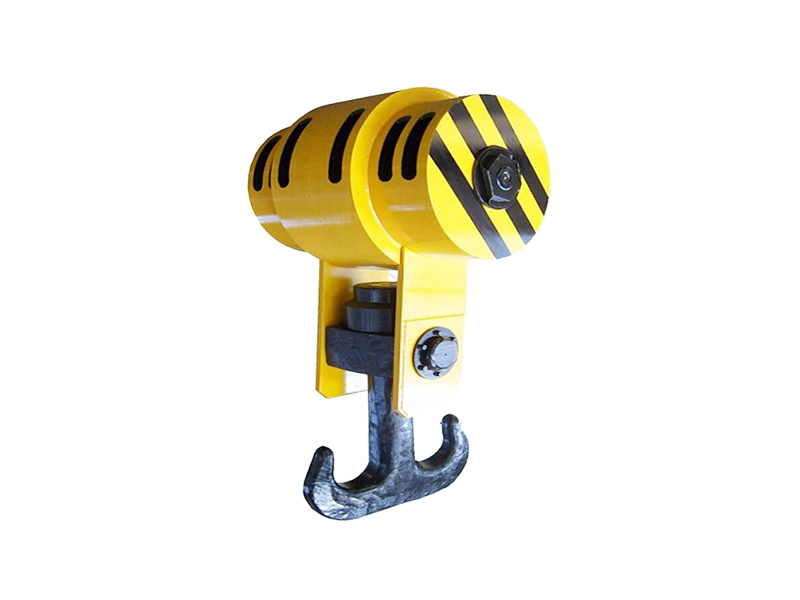
The hook group is a key load-bearing component of the crane hoisting mechanism. It consists of a hook, pulley group, bearing seat, beam, etc., and is used for the safe and reliable lifting of various heavy objects. According to the structural form, it can be divided into long hook groups and short hook groups, and is widely used in various bridge, gantry cranes and lifting equipment.

Corner box wheels are the core load-bearing components of the crane trolley/carriage running mechanism, consisting of wheels, corner bearing boxes, shafts, and bearings. Its unique 45° or 90° box structure effectively decomposes track pressure, and is widely used in the traveling systems of various bridge and gantry cranes.

Service Hotline
Address: Crane Industrial Park, Changyuan County, Henan Province
